Veggie: @NASA

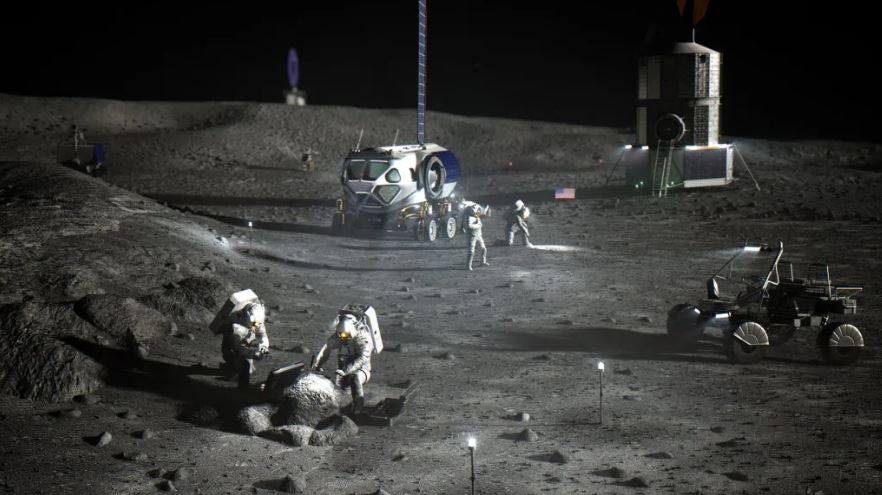
Asteroid Agriculture: Using Regolith Beyond Mars

An exploration of farming in asteroid soil simulants and closed-loop ecosystems While humanity’s ambitions extend beyond Mars and into the deeper reaches of our solar system, a radical agricultural frontier is emerging: farming on asteroids. While growing crops in Martian soil has captured popular imagination, the asteroid belt may hold even greater promise as a…

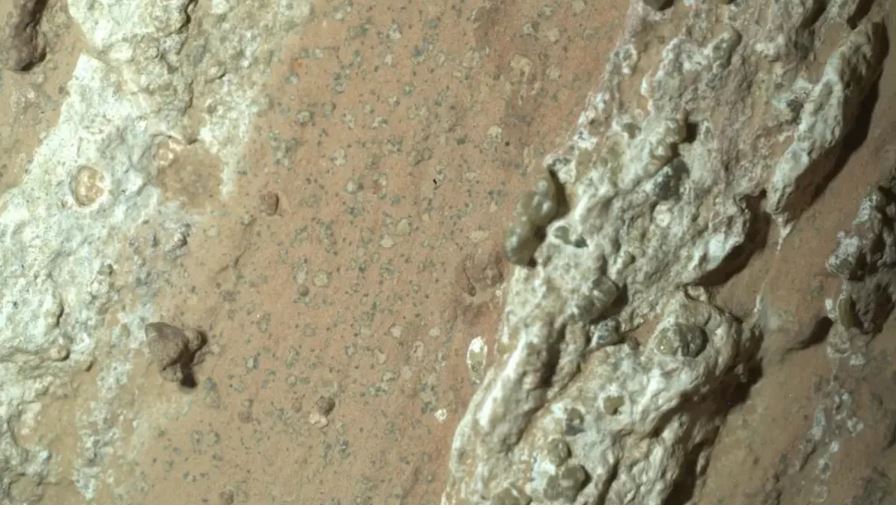
Cheyava Falls

Did Perseverance Just Find Traces of Ancient Martian Life?

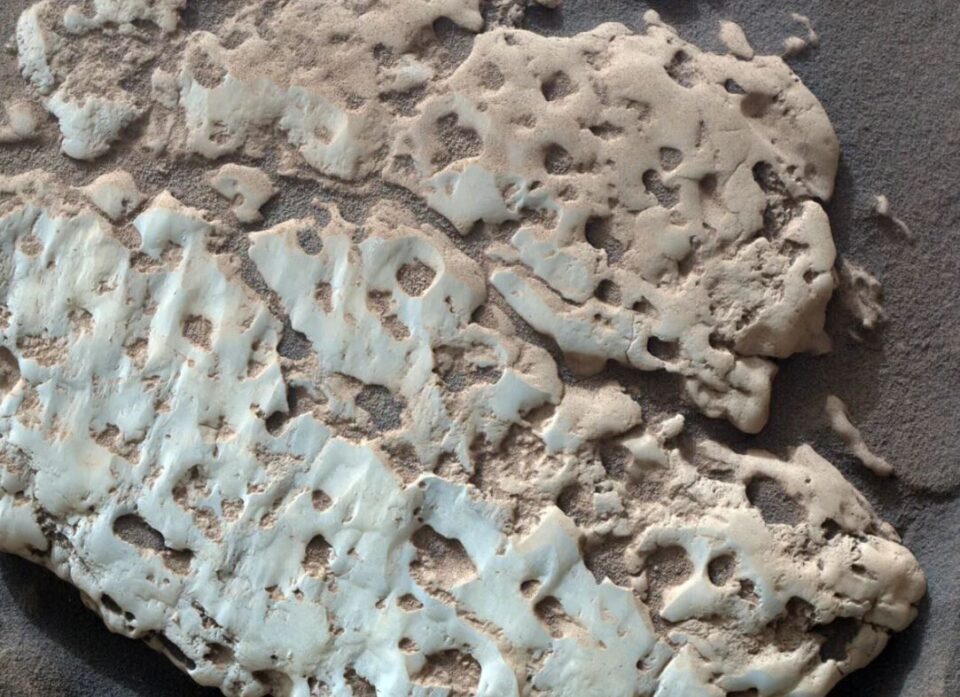
Since landing in 2021, NASA’s Perseverance rover has been exploring Jezero Crater, a site believed to have once hosted a lake. Now, new findings from the crater’s “Neretva Vallis” suggest something extraordinary: minerals that, on Earth, are often linked to microbial metabolisms consuming organic matter. While scientists emphasize caution — these could also result from…

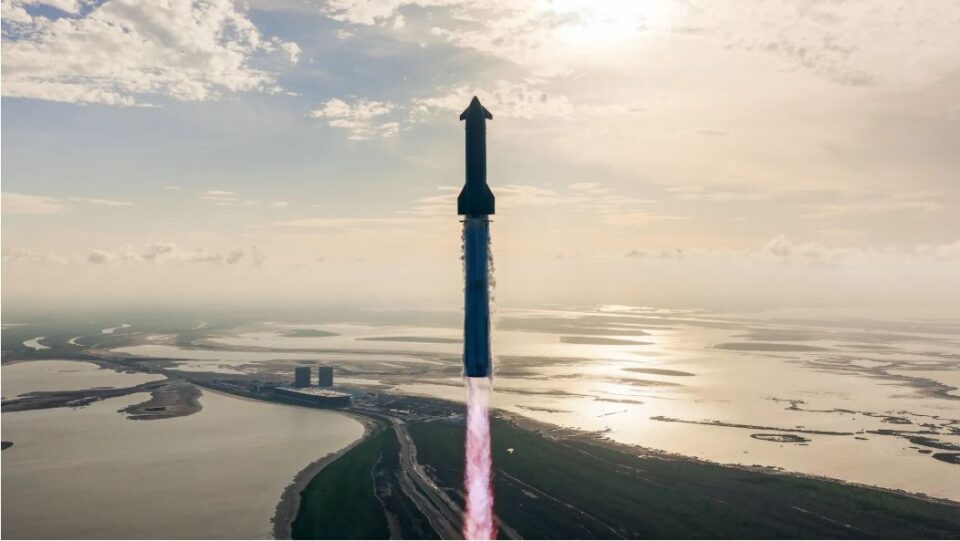
SpaceX Starship

Starship Flight 10: A Milestone Toward Mars

SpaceX’s Starship, the world’s largest and most powerful rocket, has achieved a major milestone on its tenth test flight. Launched from Starbase in South Texas on August 26 at 7:30 p.m. EDT, the mission successfully met all primary objectives, marking a significant leap toward Elon Musk’s dream of making humanity multiplanetary. Unlike the last three…

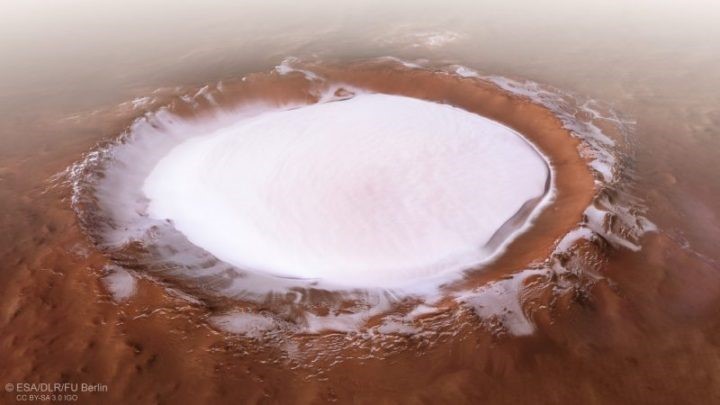
Water On Mars

Water on Mars: What We Know and Why It Matters

Water is one of the key ingredients for life as we know it. On Earth, it shapes landscapes, drives climate systems, and sustains every living organism. On Mars, the story of water is both a mystery and a promise. For decades, scientists have searched for signs of liquid water on the Red Planet, and what…

Martian Soil: What It Tells Us About the Planet’s Past

The red sands of Mars have captivated scientists and dreamers alike for decades. But beyond their striking hue, Martian soils serve as silent storytellers, preserving the memory of a planet that may have once looked much more like Earth. The Color of History Martian soil owes its reddish color to iron oxide—essentially rust—on the surface.…